Records obtained by Hector Saul Iraheta-Mercado’s legal defense team showing that his Washington State Department of Licensing (DOL) data was illegally shared with federal agents last July will be inadmissible in his trial, Judge Mary Dimke ruled this morning.
Iraheta-Mercado is currently on trial for allegedly assaulting Immigration and Customs Enforcement (ICE) deportation officer Jaimie Waite after the Salvadoran immigrant rolled his window up, pinning Waite’s arm, during a stop last summer in East Wenatchee. It’s his second time in court for the charge; the first ended in a mistrial in March after a jury couldn’t come to a unanimous decision.
Though the defense wanted to use ICE’s search for Iraheta-Mercado’s data as potential impeachment evidence against Waite and ICE deportation officer Andrew Johnson, who arrested him, Dimke blocked that line of questioning.
“I’m not allowing inquiry in terms of alleged violations of state law or use agreements, from the court’s perspective, there’s no indication that this is relevant," Dimke said. “Preliminarily, it seems to me it’s an issue of state agencies and how they’re making their information available.”
Essentially, under the Keep Washington Working Act (KWWA), even though Iraheta-Mercado’s data was unlawfully shared, the legal burden falls on the state of Washington to protect immigrants’ information, not on federal agents to not access that information. And even if ICE violated the user agreements of the national database they searched in for Iraheta-Mercado’s data, there is not a clear enough link to show that the individual officers who are witnesses in this case were the ones that searched the data, or knew about the agreements.
Dimke’s ruling illustrates clear issues with the KWWA: federal agents can’t be held accountable for state violations of the law — even if they’re aware that the law forbids collaboration in civil detainments — and often, discovery of these violations comes too late to help the immigrants the law is supposed to protect.
It’s also unclear how the DOL can be held accountable for sharing immigrants’ data; when RANGE previously asked the state about a DOL data breach resulting in the detainment of a Spokane youth, Governor Bob Ferguson did not respond to multiple requests for comment. The state Attorney General’s Office also declined to provide comment, citing attorney-client privilege between the DOL and the Attorney General’s office.
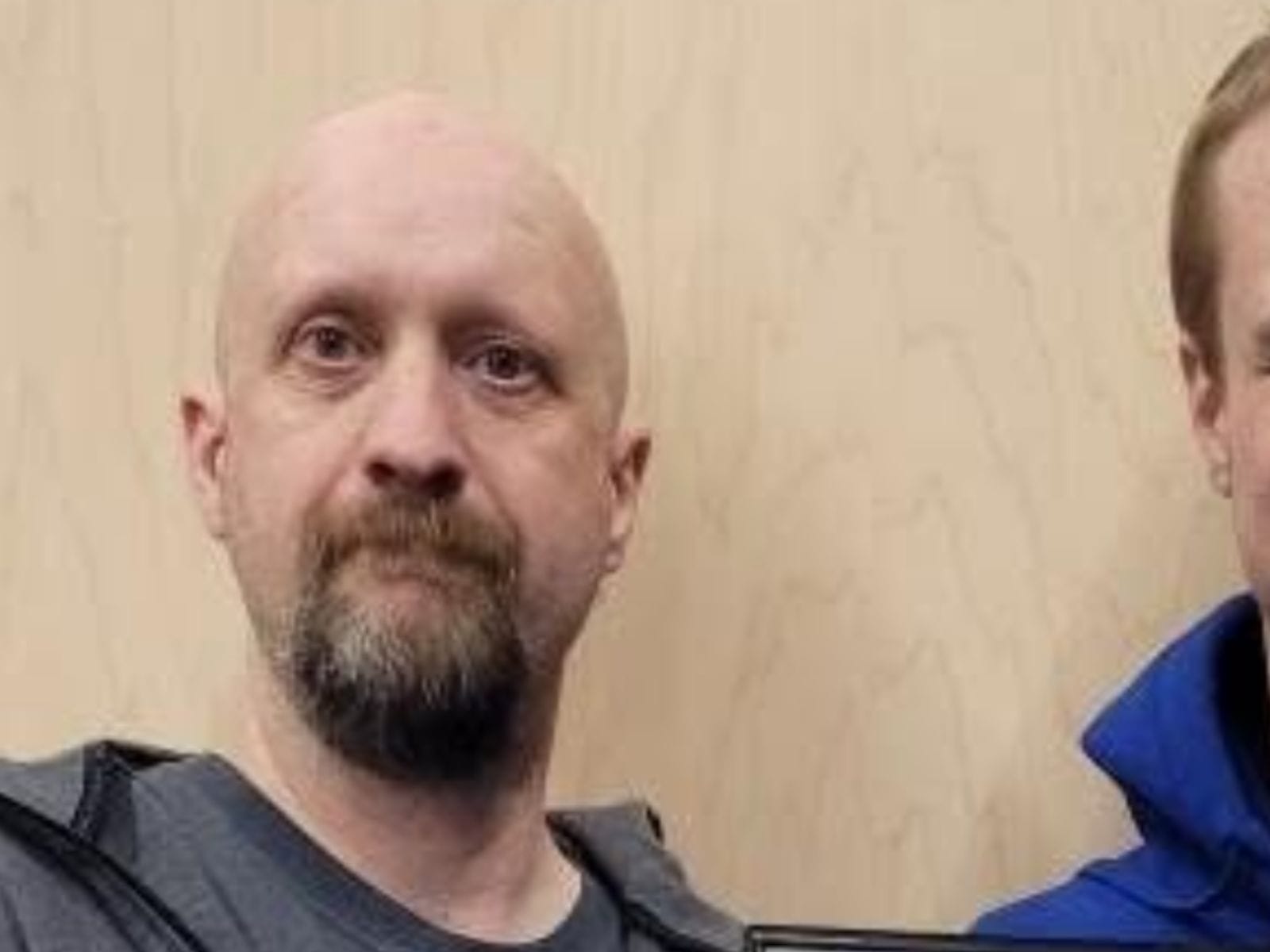
Because questioning about the DOL data access is forbidden, the jury likely won’t find out that a state agency exposed Iraheta-Mercado’s information to federal agents. They also likely won’t know that Waite, the alleged victim in the case, has a long and well-documented history of collaborating with local enforcement before and after the KWWA was passed.
Waite and the law
The KWWA, which was signed into law in 2019, prohibits agencies from sharing non-public information like someone’s date of birth with federal immigration officials for civil immigration enforcement. The next year, Governor Jay Inslee signed another bill into law, prohibiting warrantless civil arrests of people going to or coming from state courthouses.
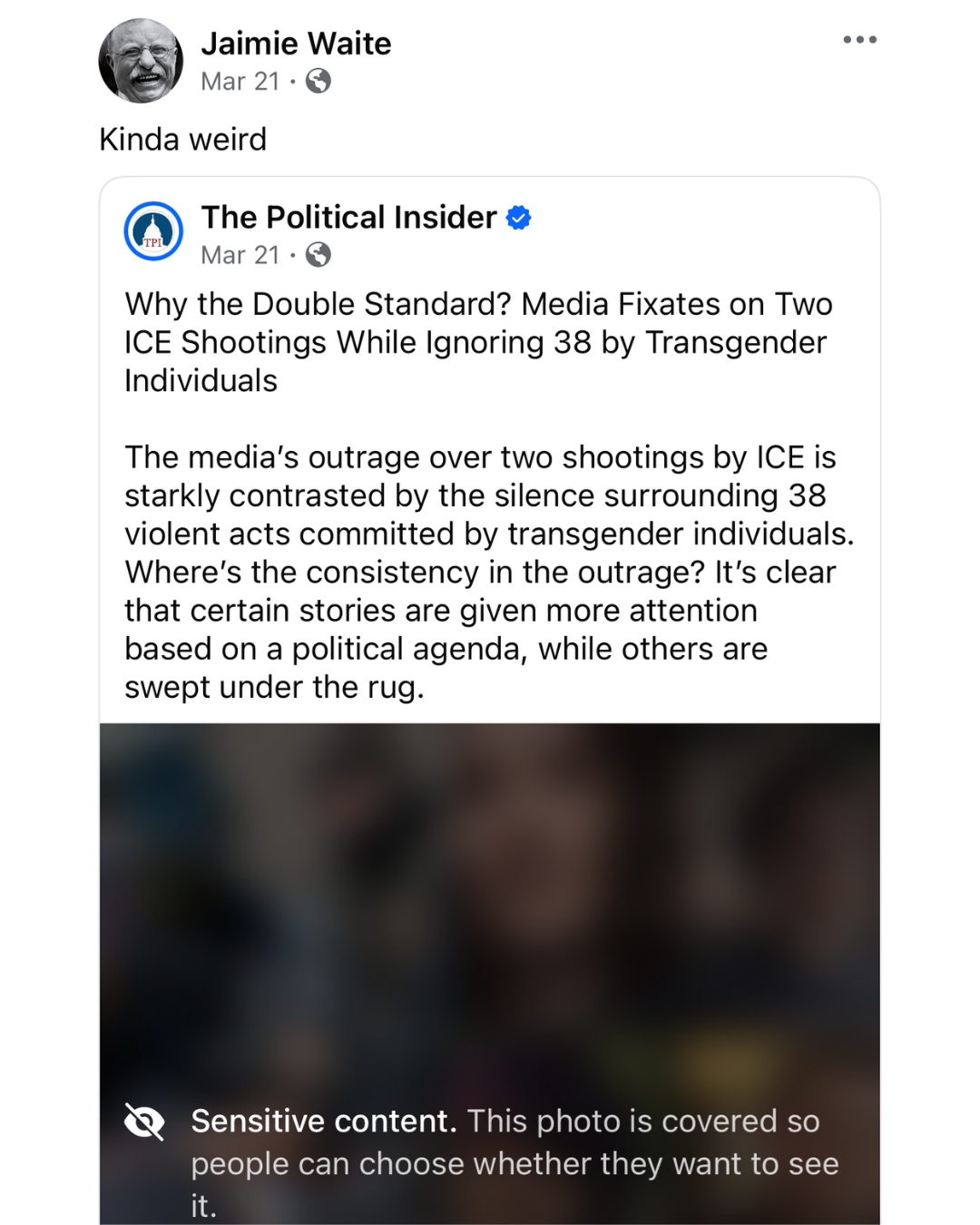
Though human rights advocates, including the University of Washington’s Center for Human Rights (UWCHR), have continually noted that these laws lack strong enforcement mechanisms, ICE deportation officer Waite bemoaned the state ban on local collaboration on social media. He also posted about people calling him “a paranoid nut about stealing elections with illegal alien votes,” and reposted a meme about wanting ICE to use manure guns with the “hmm” emoji, among other interesting things.
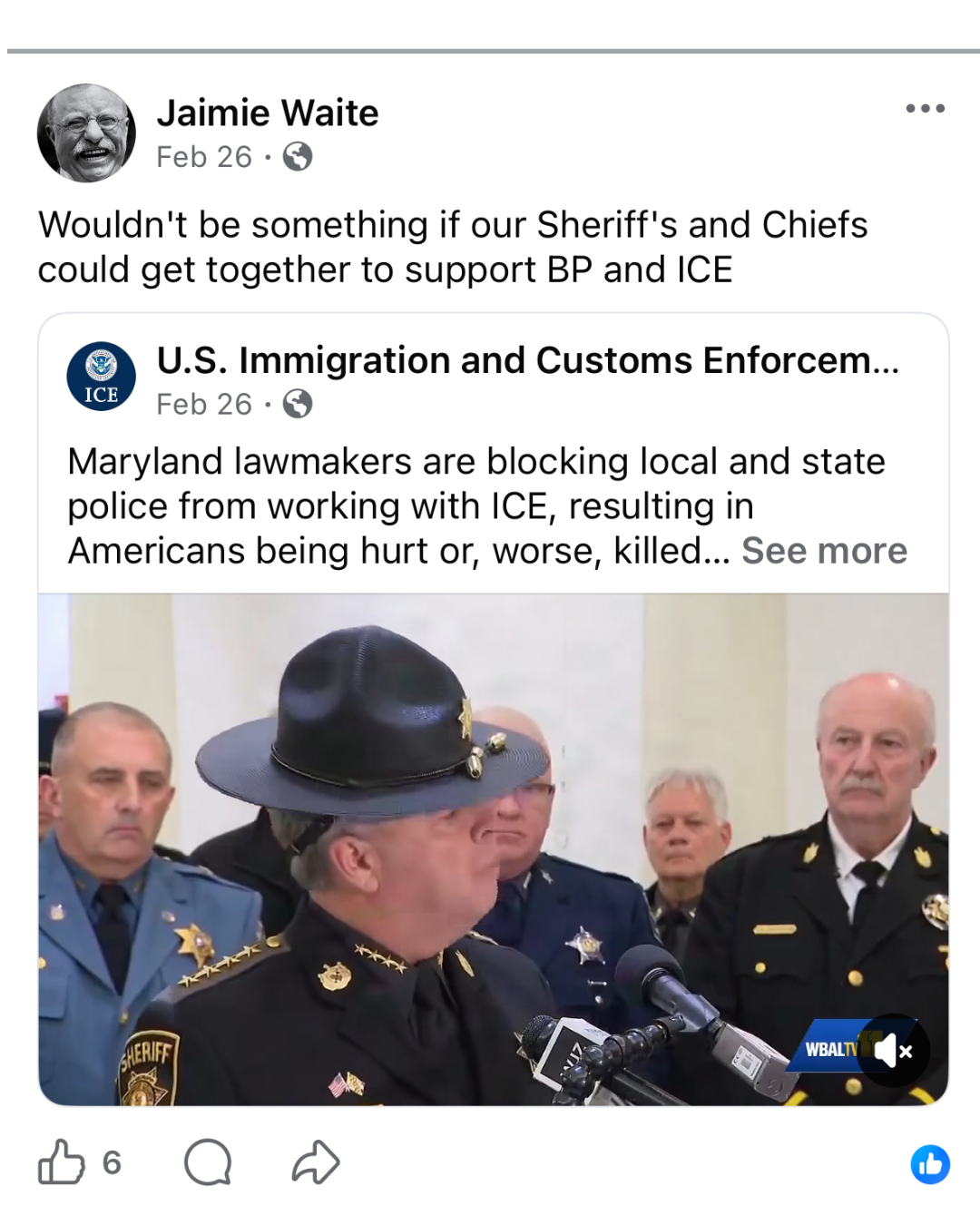
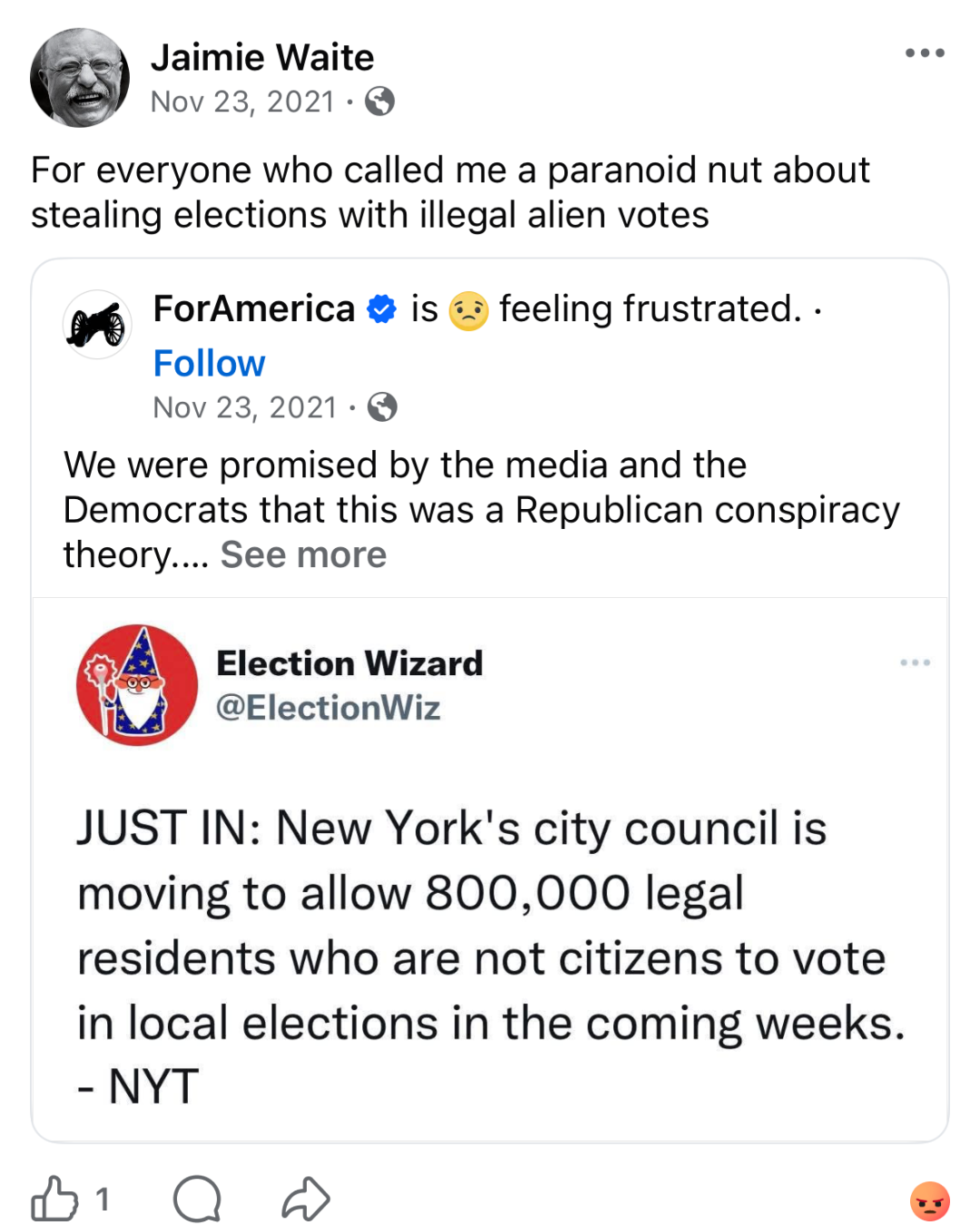
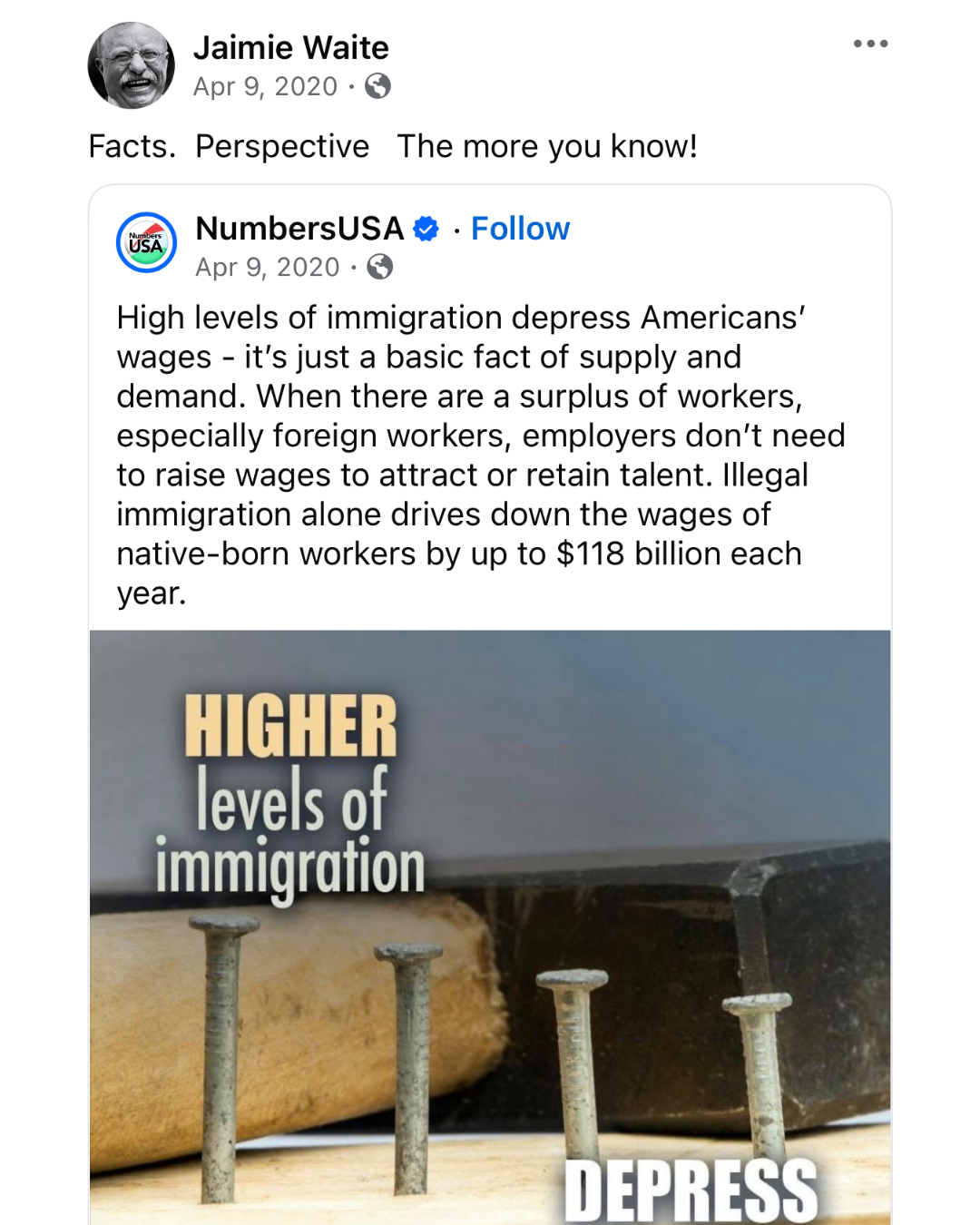
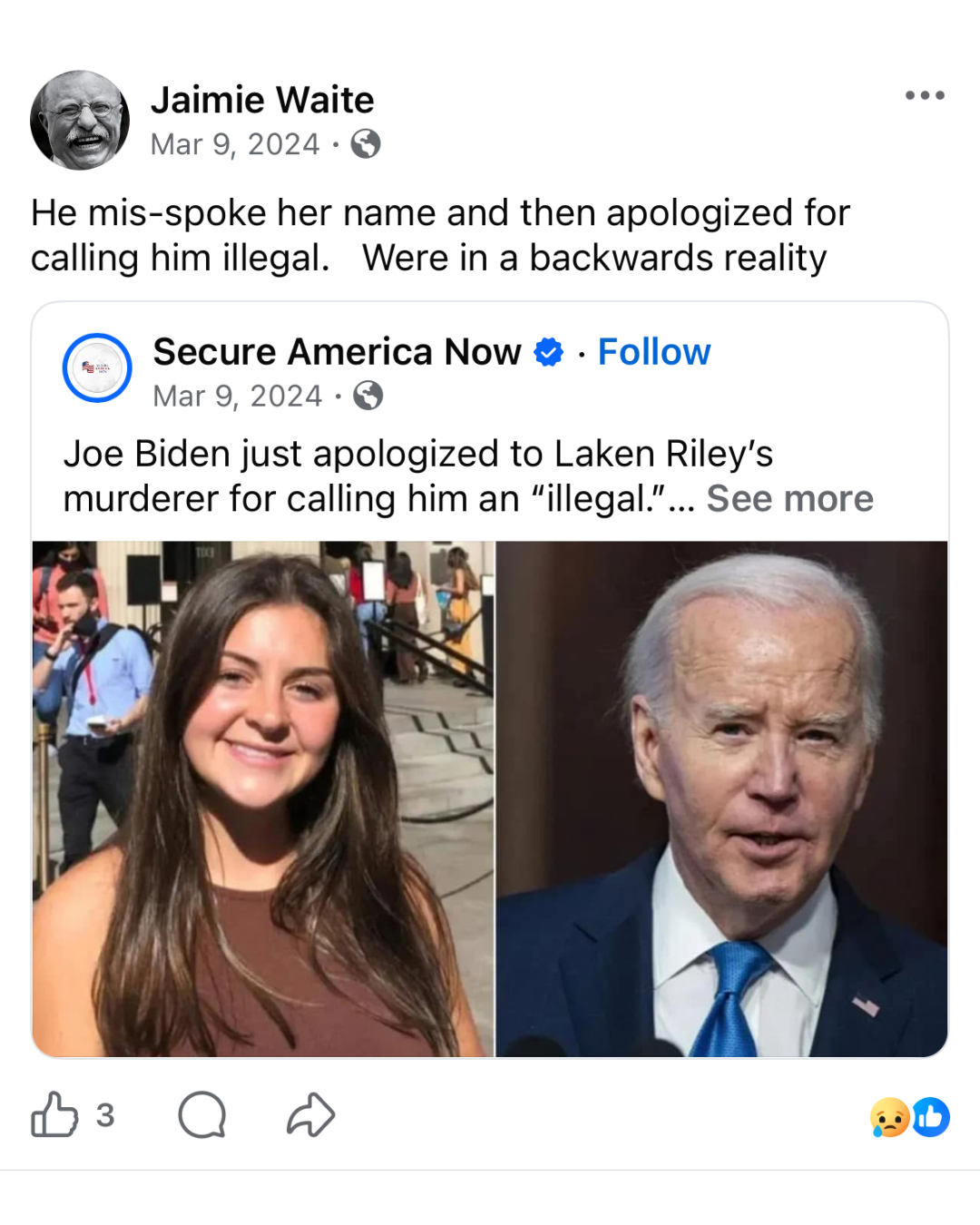
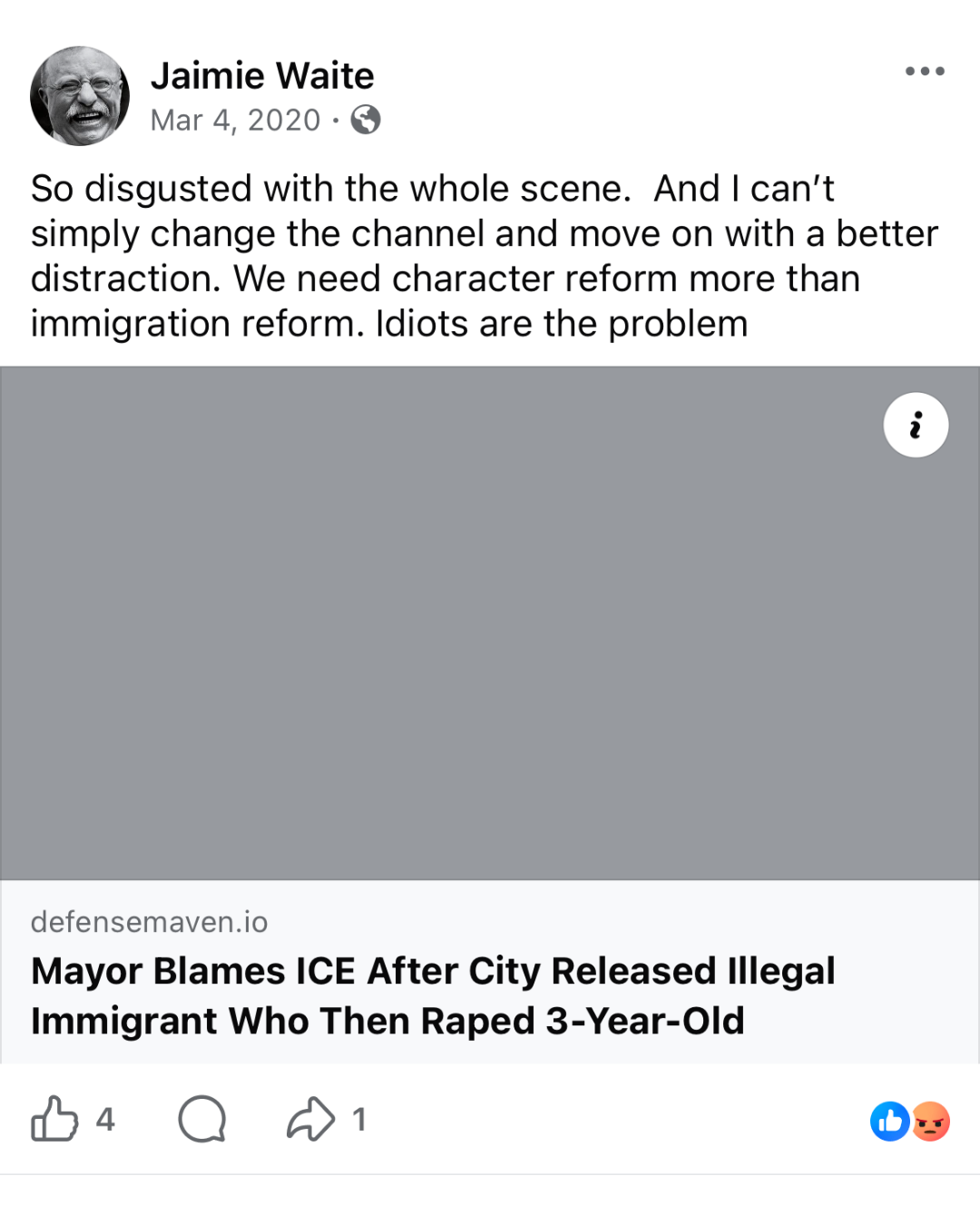
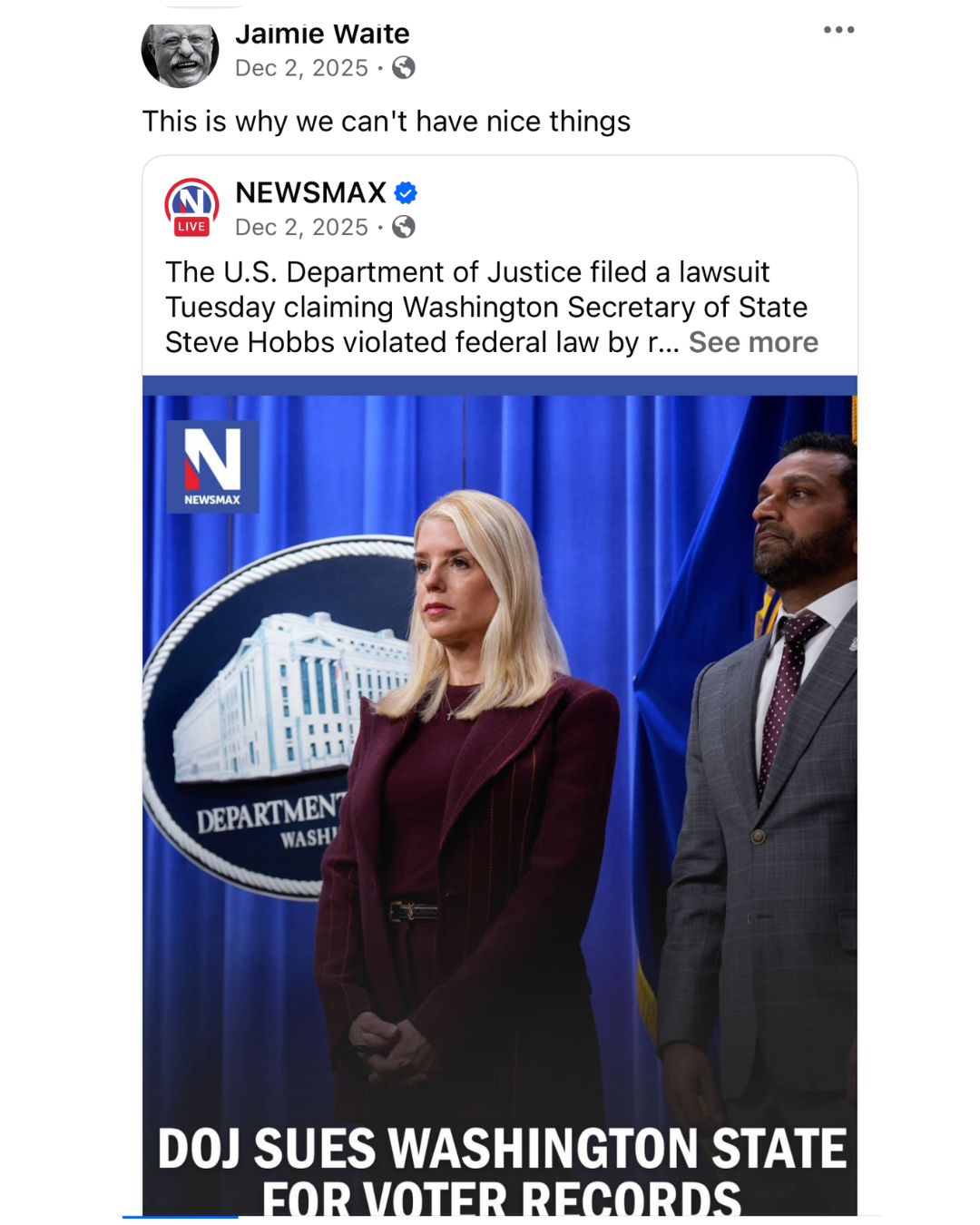
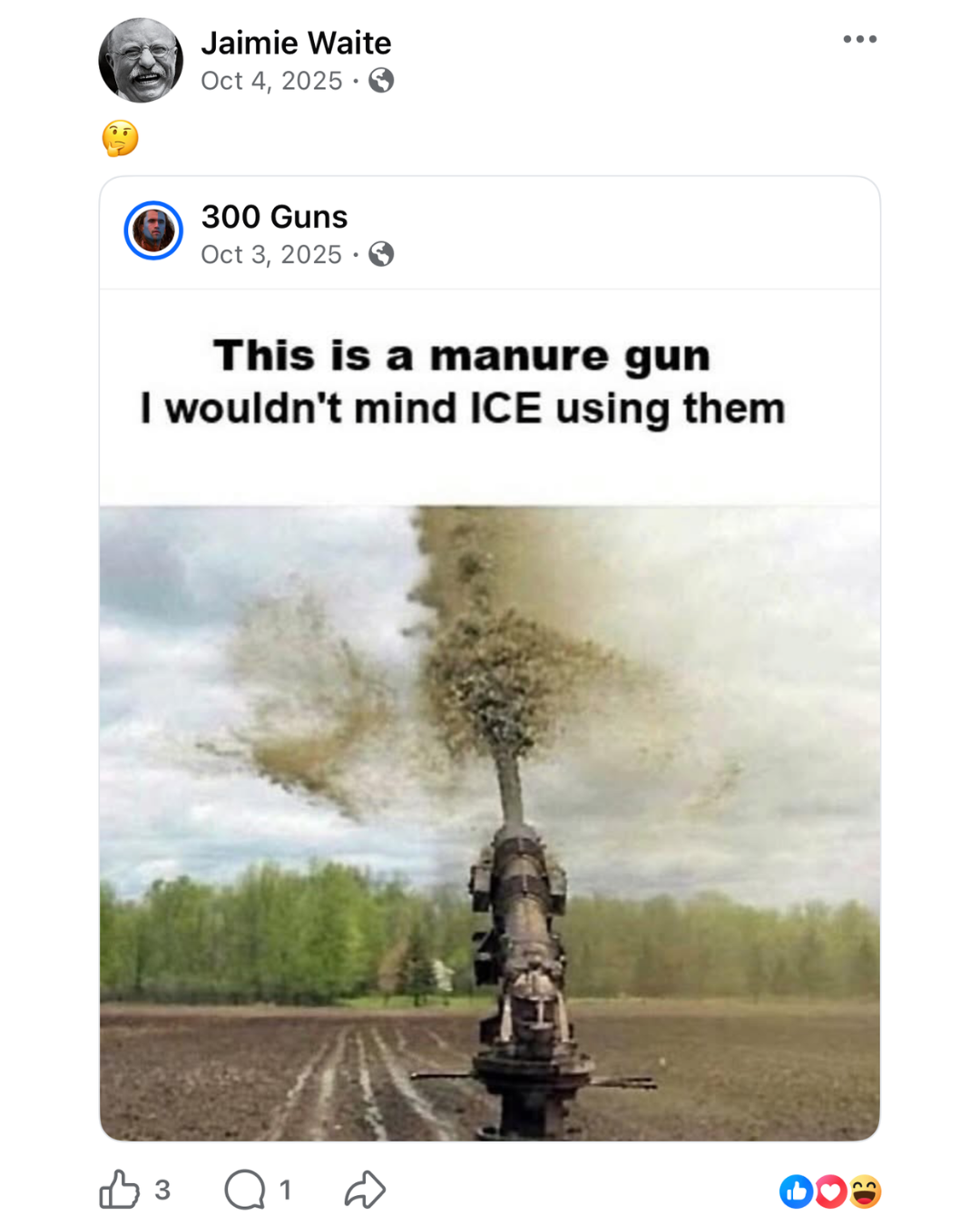
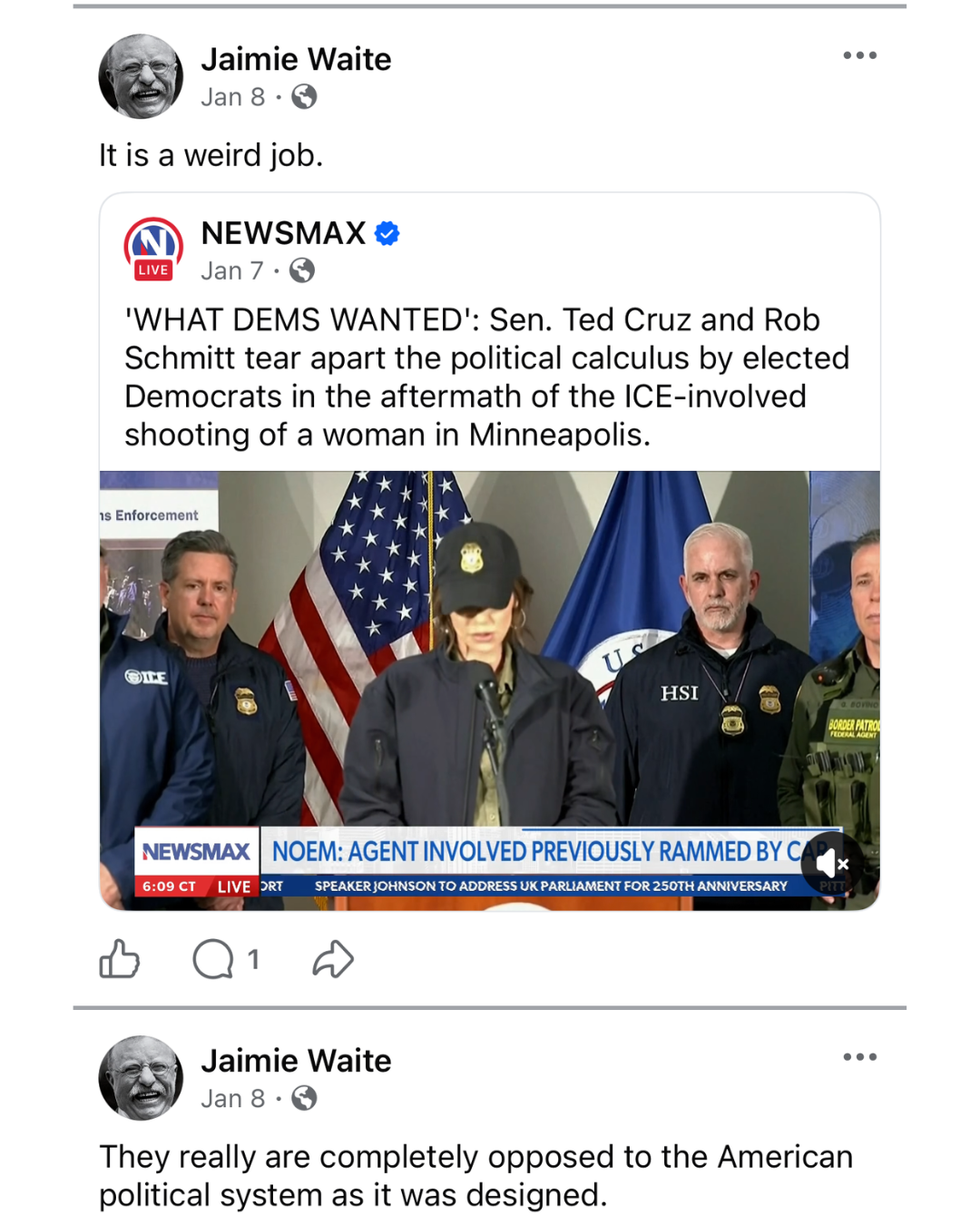
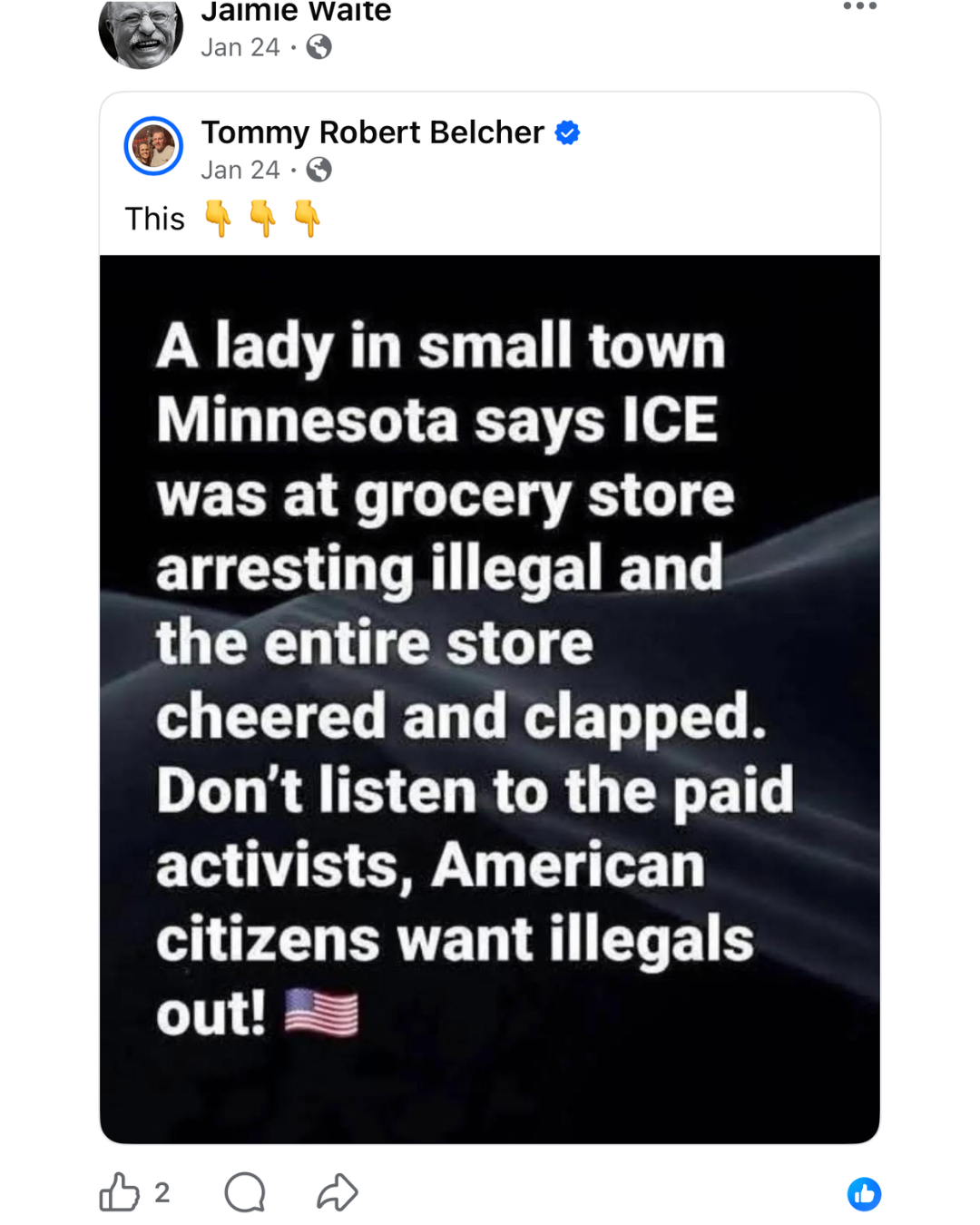
Beyond social media posts and a blog where he wrote a treatise on immigration and “Illegal Alien criminals” from the perspective of a long-dead Supreme Court justice, Waite is also notorious for taking his distaste for state laws restricting federal collaboration beyond the keyboard.
The UWCHR flagged interactions Waite had with Quincy and Grant county law enforcement officials — showing continued sharing of information after KWWA took effect.
“In January 2022, a Quincy Police Department Captain emailed ICE Deportation Officer Jaimie Waite flagging a local resident for ICE by name and date of birth, describing the individual as having been arrested numerous times, but asserting that he ‘no longer fears the court system … Quincy PD would like [this individual] held responsible for his violent tendencies and if possible removed from our community for public safety reasons,’” one UWCHR report found.
However, the report does not clarify if the person had ever been criminally charged or convicted. That same month of the same year, Waite also forwarded a detainer request to a Grant County jail official and wrote “thank you.”
It is illegal for an agency to hold someone in custody or give immigration officials the opportunity to take the person into custody in response to a detainer request because it is considered a warrantless request under the KWWA.
But the human rights center said “it is impossible to determine” if an arrest a week later is tied to the detainer request Waite sent due to the lack of detail in the records that Grant County and ICE gave. What’s more, the center couldn’t determine if that arrest or the 66 other arrests ICE reported after the KWWA passed involved actual violations of the law.
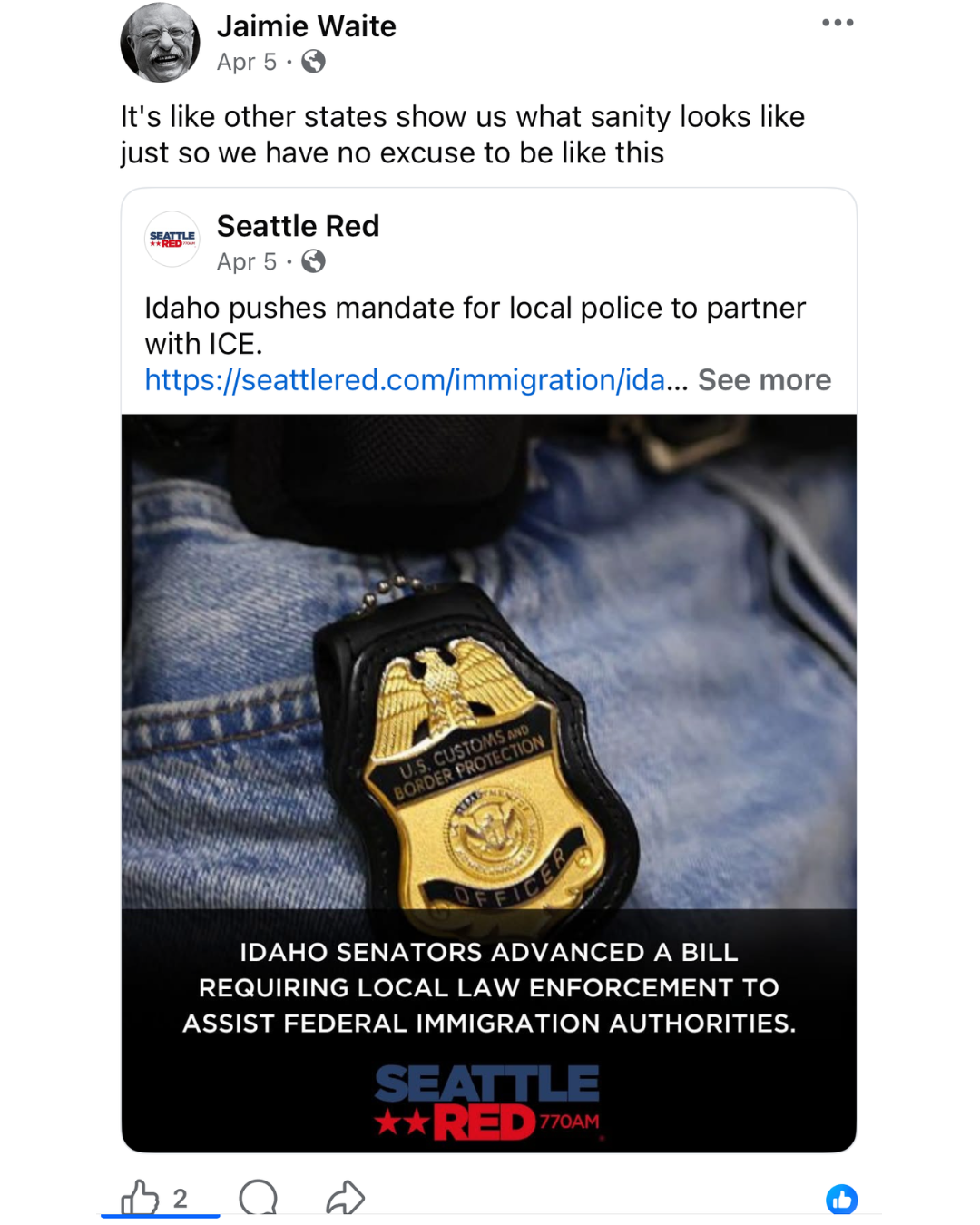
A separate 2019 report from the center that analyzed immigration arrests at courthouses and information-sharing, noted the Grant County Sheriff’s Office and the county’s prosecuting attorney’s office emailed Waite directly about people’s court dates prior to the KWWA.
The report stated that it sought to look into the extent of the collaboration between local officials and immigration enforcement officials in certain counties to gauge likelihood that the KWWA would address issues.
Some information was shared with Waite upon his request, other times in relation to people being prosecuted whose immigration status was relevant to the case, according to the report. But employees of the prosecutor’s office would also reach out to Waite, sending him information about people even when their immigration status was irrelevant to the charges.
“Given that all of the defendants whose information was shared with DO Waite have Latinx surnames, and that some were U.S. citizens with Latinx surnames … these communications raise concerns about possible ethnic profiling,” the report said.
Waite is set to testify as a witness for the federal government against Iraheta-Mercado.
Editor's note: The headline to this story has been updated for clarity.
 Daisy Zavala Magaña