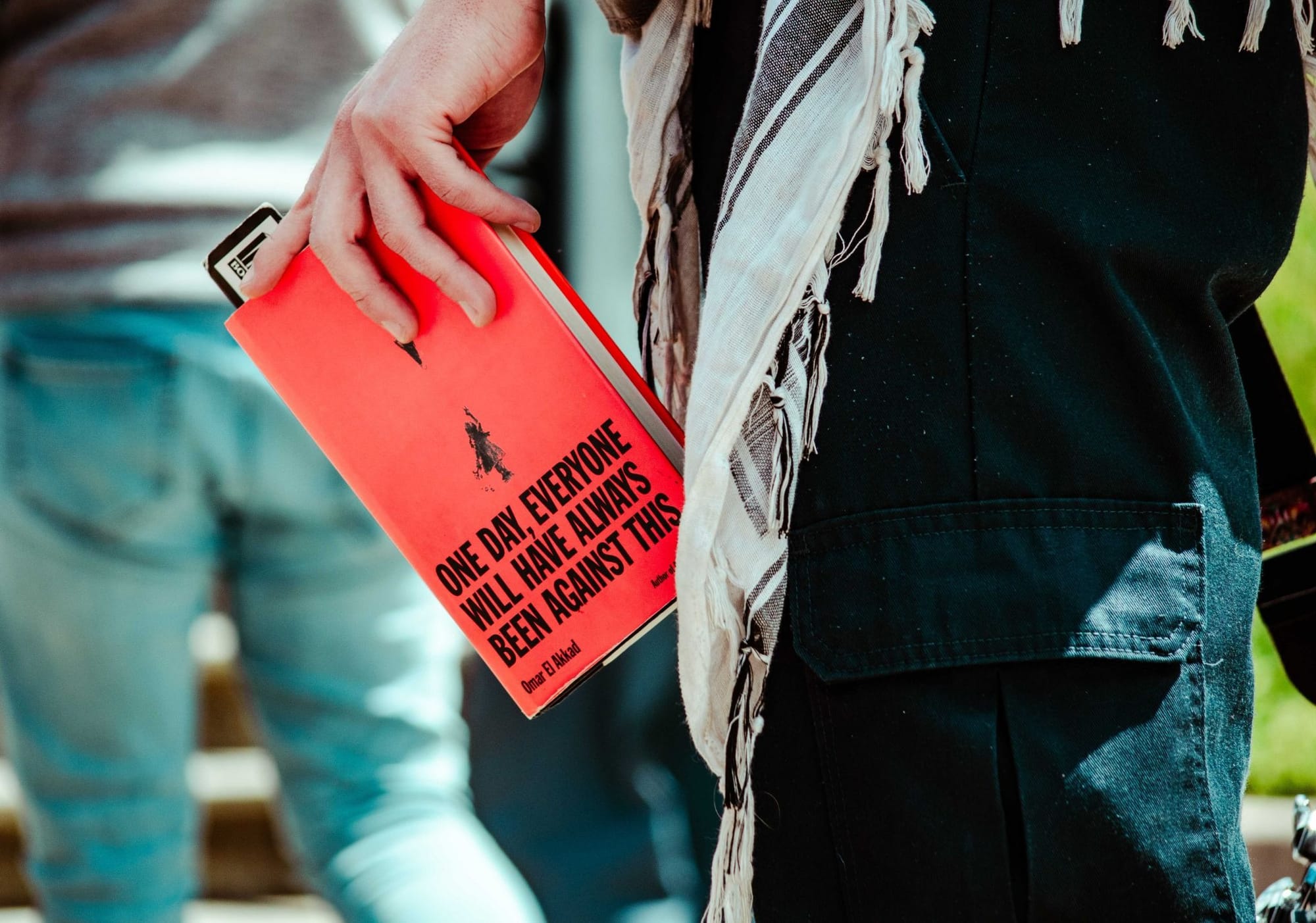
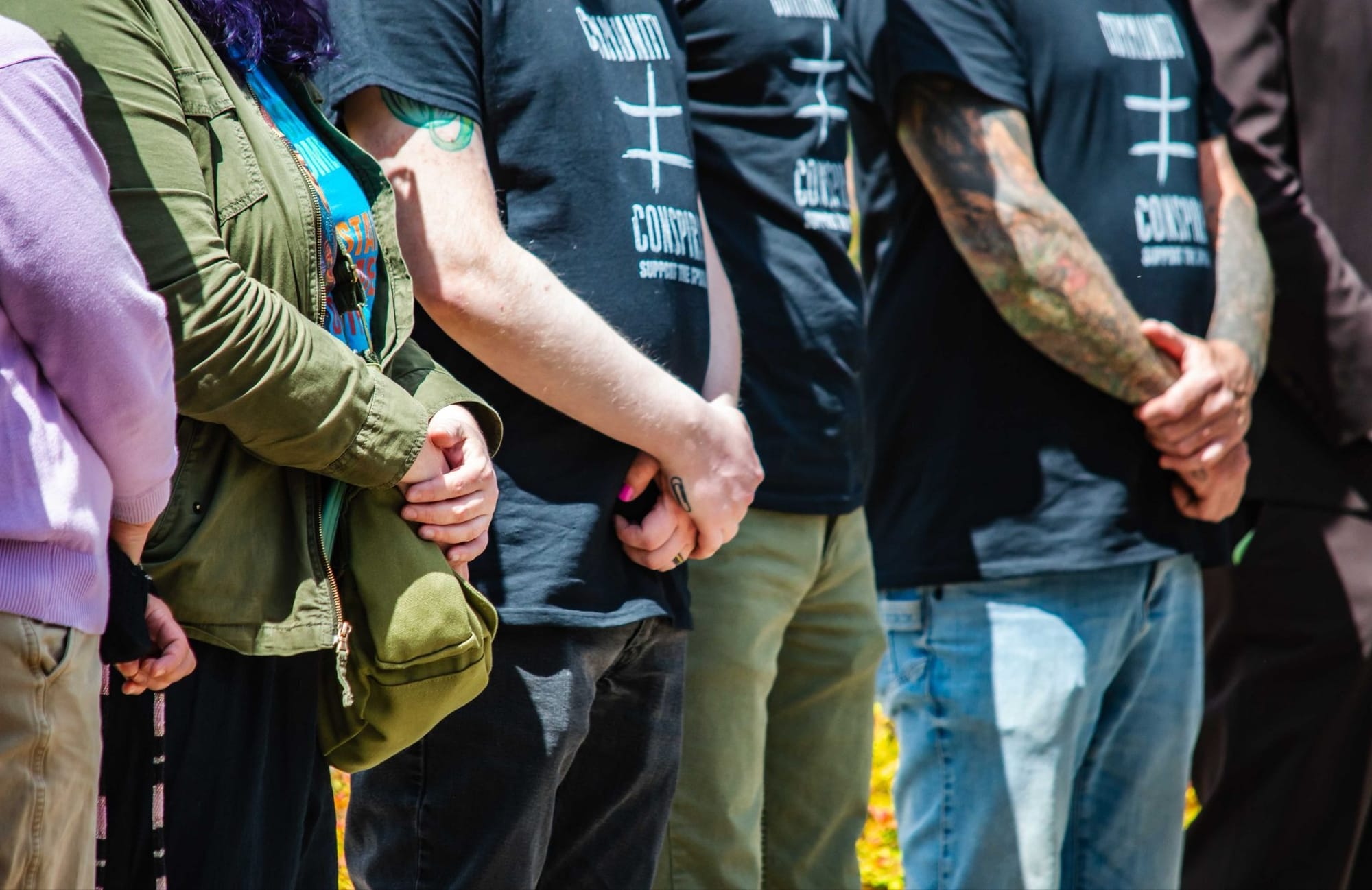
Under a deep blue sky in the Spokane Tribal Gathering Place behind City Hall, reporters and activists gathered to discuss a dark topic: the federal conspiracy charges against the Spokane 3, who were arrested last year after protesting federal immigration arrests.
As the case unfolded nearby in the Thomas Foley Federal Courthouse, activists implored citizens to support the defendants. The stakes of the case, the activists said, are no less than the free speech rights enshrined in the First Amendment of the Constitution.
“These are the first protesters in the nation to be swept up in what we now see as a national pattern of using conspiracy and similar charges to target protesters in an attempt to criminalize our dissent and to cripple the tools that we use to fight for our rights and stand for our neighbors,” said hadley morrow, a community organizer who led the event.
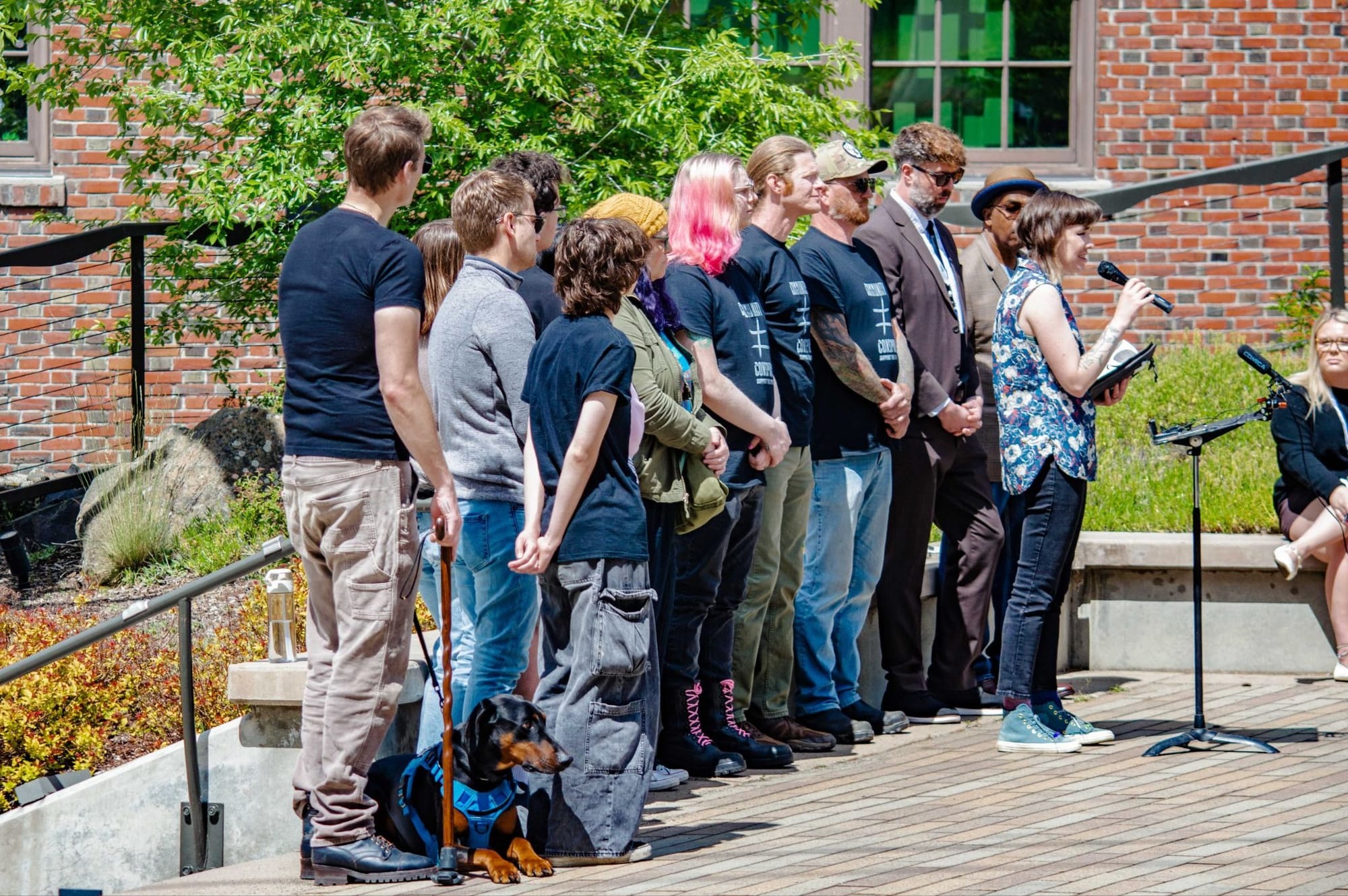
The federal trial against the three protesters, Jac Archer, Justice Forral and Bajun Mavalwalla II, had begun earlier that morning, May 18. They face charges of conspiracy to impede or injure law enforcement officers because they’d responded to a call on Facebook to protest the arrests of two immigrants who were here legally. Many see the trial, which will go before a jury, as a test case in whether free speech rights will be done away with under the Trump administration.
(You can follow live trial updates from RANGE reporter Erin Sellers on our Bluesky feed and read their dispatches here.)
“The implication of the jury's ruling will set precedent that ripples across the nation,” morrow said. “We are calling all of you here to help raise awareness and to stand in solidarity. Our community will not let Jac, Justice and Bajun fight this alone.”
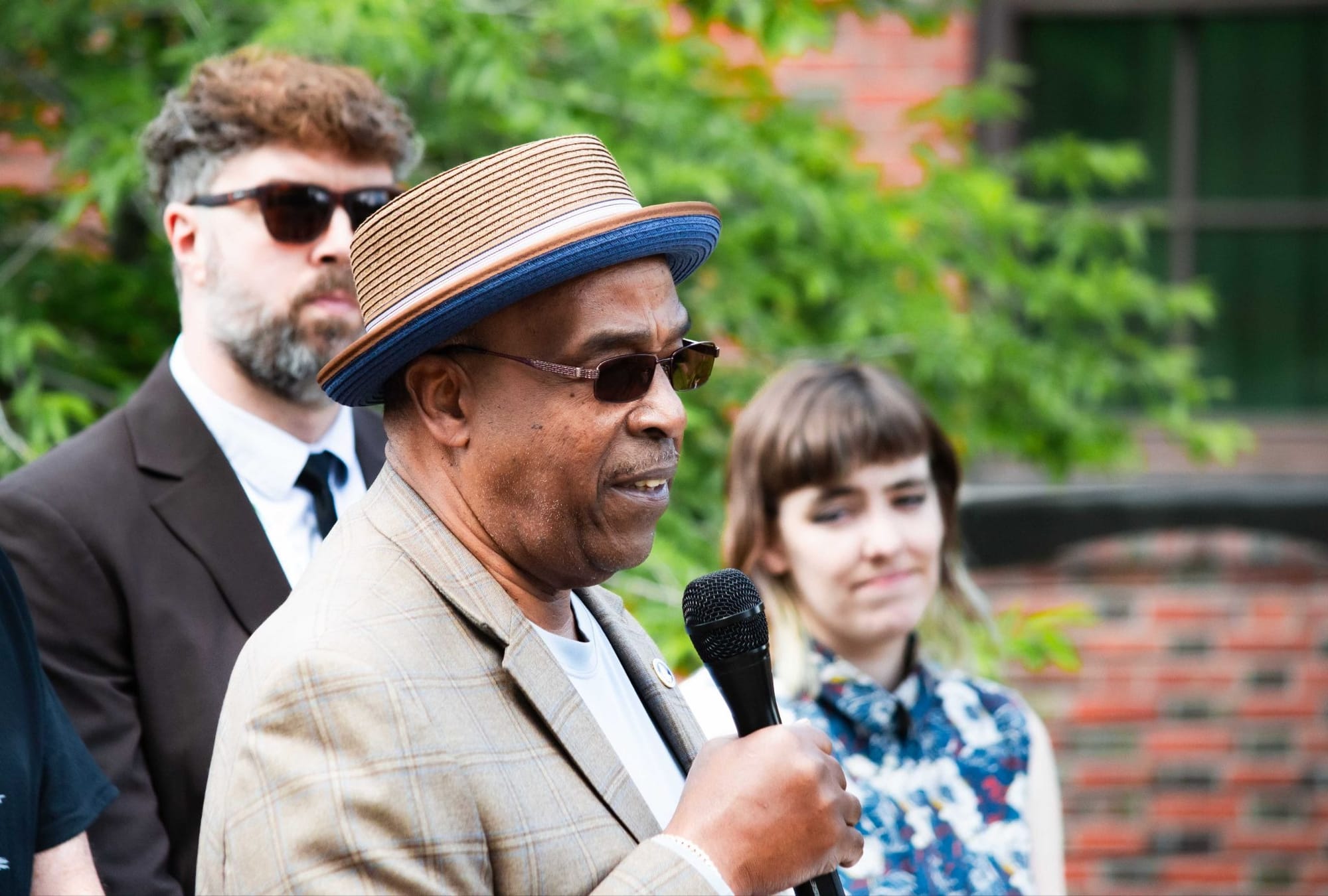
“We all want the world to know that we stand with [the protesters] and against the federal government's appalling and unjust charges,” said Reverend Walter Kendricks of the Morning Star Missionary Baptist Church.
Kendricks, who founded and leads the civil rights group Spokane Community Against Racism, noted that many of the rights that are at risk under the Trump administration were hard won by people of color, like the Spokane 3. Those rights are fragile, he said.
“As a Black man, I will tell you, I have been fighting for rights for probably 60 years, and I can assure you that in my struggle, if my rights have been allowed to be taken away, it won't be long before all of our rights are taken away,” Kendricks said.
Spokane City Council Member Paul Dillon, who’d left a committee meeting early to be at the press conference, referenced a long national news segment about Mavalwalla II’s case.
”I watched the PBS NewsHour that reported Richard Barker, the acting US attorney for Eastern Washington state last year, resigned in protest of these charges,” Dillon said. “He told them that he could not ethically support pursuing these charges. … It's not just Richard Barker's words that provide moral clarity. It is his actions, resigning instead of giving in to the unjust and unethical demands to prosecute the Spokane 3.”
In an interview after the conference, Dillon emphasized the importance of the case.
"Jac Archer is facing prison time for sharing a social media post telling people to come join the protest. I don't care who you are, that should terrify you,” he said. “It sets a very scary precedent, and we've seen the pattern of silencing dissent across so many different mediums with this administration."
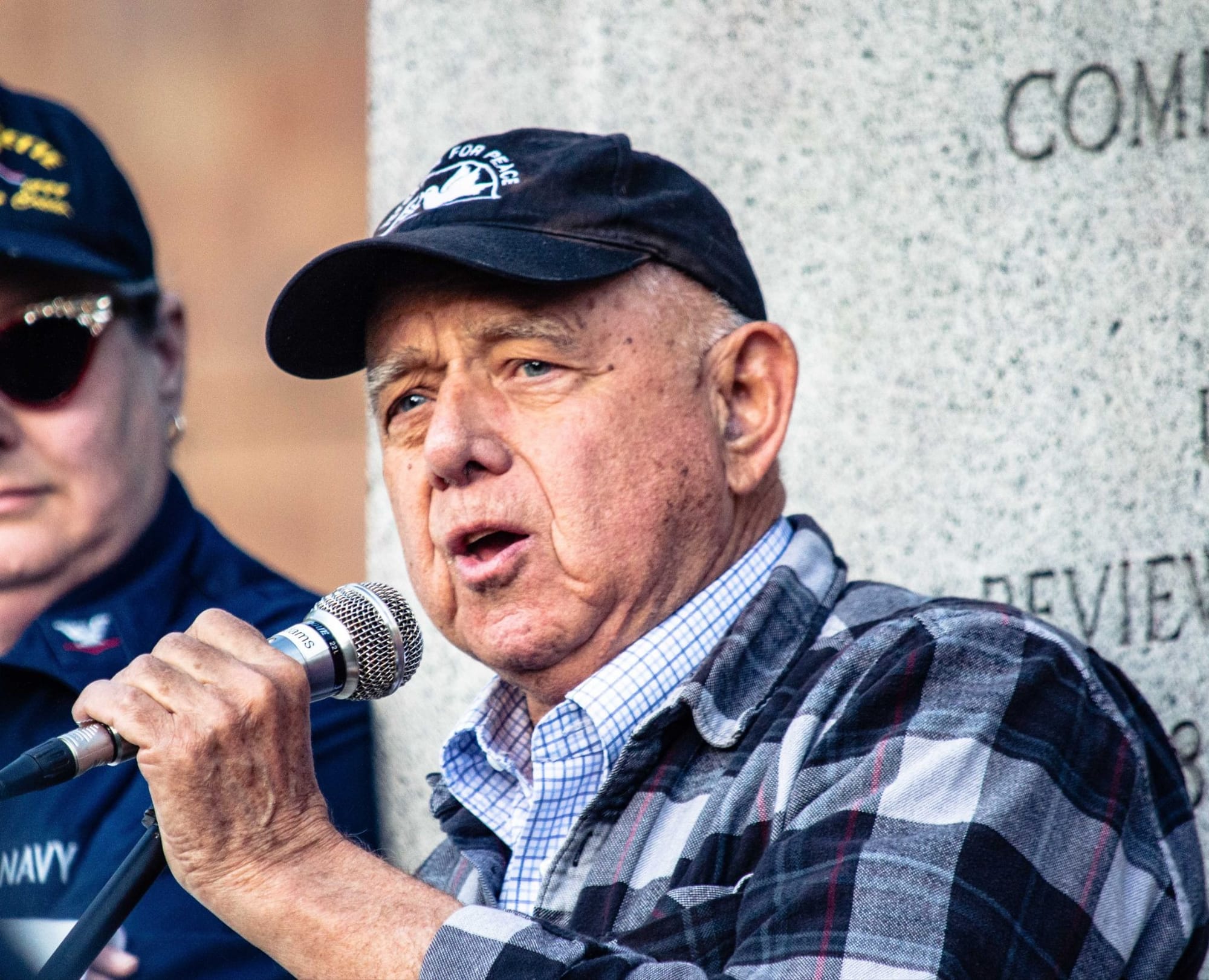
Later on Monday, organizers with Veterans for Peace and other organizations rallied in front of the Abraham Lincoln statue near River Park Square. George Taylor, a member of Veterans for Peace, said he’d been in the courtroom for the part of the trial that morning.
“We need to be brave now,” Taylor told the crowd of demonstrators. “The Spokane 3 are willing to take that risk. What risks are we going to be prepared to take? So let us hope for the best. Let us hope for a good outcome.”