
This edition of the newsletter has a companion podcast you can check out here
Ahhh, holiday season 2020.
People are reporting a sense of overwhelming dread — which is probably at least partly due to criminally underwhelming economic support from our government.
In Washington at least, big family Thanksgiving feasts are cancelled. Christmas, Hanukkah and Kwanzaa are going to be drastically different, too. It’s the right thing to do, but it still sucks.
So those of us who celebrate Festivus may want to set aside extra time for the airing of grievances.

Remember all those memes in April that were like “I’ve had it with 2020”? Well, there’s a problem with gazing longingly at New Years as though it were a finish line:
2021 isn’t looking like a picnic, either.
But all is not lost! We are resilient creatures!
So, as this pandemic enters its eighth month we spoke with Meg Curtin Rey-Bear, LMHC. Meg is a friend of RANGE and co-owner of Wellness Therapies Spokane.
We talked at length about the impacts this latest round of restrictions might have on people who are already exhausted from 8 months of pandemic during a time of year that is historically hard all by itself.
Listen to the episode here.
It’s really good.
Meg also wrote this helpful guide for building up the mental, social and even physical resiliency to get through 2020 and stand athwart 2021 like

Check it out below:
Ten-ish tips for thriving through another tough season
Meg Curtin Rey-Bear
1 Check in with our expectations of ourselves and of others
pandemics are about prevention and prevention is invisible
Regular reminders that this is hard ground us and help us to be more generous with ourselves and others.
2 Stay in the moment; focus on what you can control
Try to focus on the present and on noticing what you can control in the moment you are in. This isn’t always easy, but the practice of it encourages mindfulness and reduces the tendency to overthink about that which has not yet happened.
3 Get outside and move your body
Even if your schedule is tight, even if you can only mentally or physically handle 20 minutes, even when it is grey out — the UV light we are exposed to helps our mood significantly.
BONUS POINTS: for being active enough to get your heartrate up and break a little sweat.
4 Celebrate small stuff; celebrate more regularly
Experiences like these not only strengthen connections, they help us to stay in the moment, bringing us out of our heads. They are a fun way to be mindful and right now mindfulness (and fun) are key.
5 Practice small acts of kindness
Making someone smile feels good for both parties. Knowing that our actions created such a moment feels good as well.
6 Set intentional check-ins.
Check ins help us remember we are not alone, and that our feelings — even the harder ones — are not bad.
7 If you go online, keep it active
No doomscrolling!
8 Read Brene Brown’s “Braving the Wilderness”
Buy it from Auntie’s or Wishing Tree and support a local business, for goodness sake.
While you’re waiting to pick your order up, watch Brown’s TED Talk on the power of vulnerability.
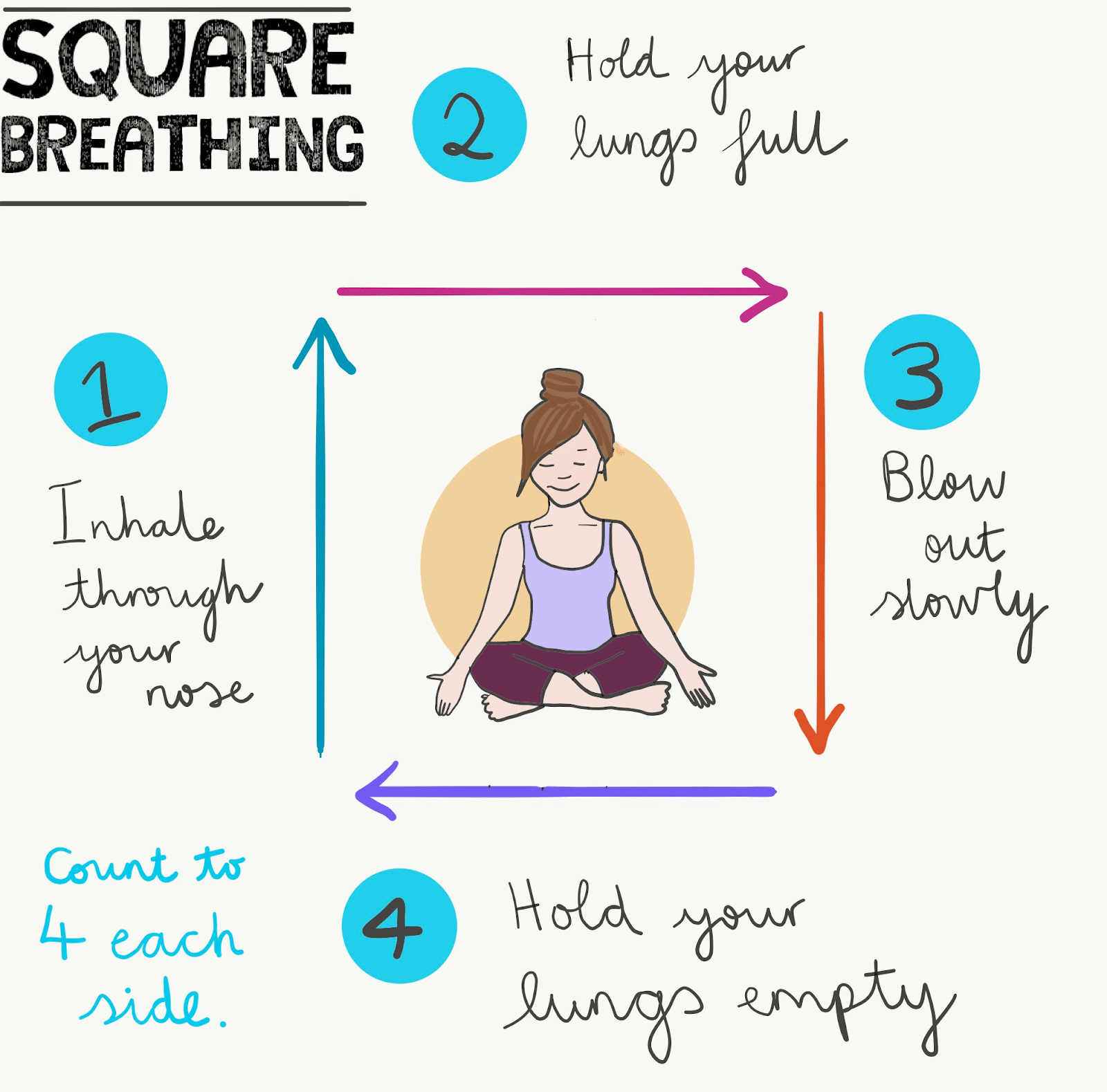
9 Squared breathing
sympathetic process
10 Remember that it is OK not to be OK
We put a lot of pressure on ourselves to be OK
But sometimes we just need to have our feelings for a little bit — let ‘em out. And at the end, you’ll probably find that you’re OK again. Genuinely.
LASTLY Set attainable goals & be kind to yourself in the pursuit of them
If you’re trying to make a change in your life and you get mad at yourself for failing, you’re only increasing the likelihood of staying stuck where you are.
So set small (like very small), attainable goals to work your way up to whatever change you want to see. Whenever you have a setback, take a deep breath, spend a moment reflecting on what went wrong, and set an intention to do better tomorrow.
“What works to create behavior change,” Meg says in the episode, “is celebrating what we do well,” — so set yourself up for small wins, and then have one of those celebrations we talked about up in #4.
